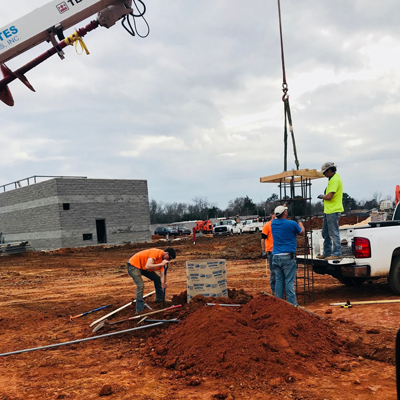
On-Site Safety and Continued Education: A Top Priority at Speir & Associates
At Speir & Associates, safety is more than a requirement, it's part of how we do business. Every project presents its own set of challenges. Whether our team is working on a commercial, industrial, or other complex electrical project, we believe that no deadline, schedule, or task is more important than the safety of the people performing the work. That commitment starts with preparation, training, communication and the proper use of Personal Protective Equipment (PPE).
Safety can never be an afterthought because electrical professionals face potential hazards every day. From electrical shock and arc flashes to falls, burns, and other jobsite dangers, the risks can be serious. We believe the best approach to safety starts long before work begins. Proper planning, hazard awareness, training, and communication all play an important role in helping our team identify and reduce risks on the jobsite.
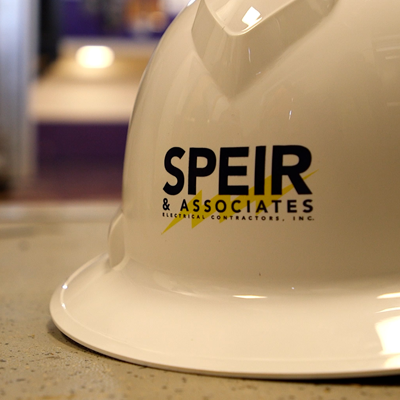
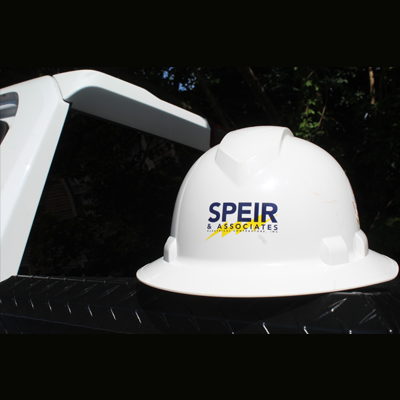
When hazards cannot be completely eliminated, PPE provides another critical layer of protection. Hard hats, safety glasses, gloves, protective footwear, arc-rated clothing, and other forms of PPE all serve a specific purpose, but having this protective equipment is only the beginning. Our team must understand when it is required, how to properly wear it, and how to inspect it before use.
Before beginning a task, hazards should be identified and addressed whenever possible. Safe work practices may include proper planning, de-energizing equipment, following established lockout/tagout procedures, maintaining safe working distances, and using the appropriate tools for the job. PPE provides an additional layer of protection when risks remain.
A strong culture of safety is built through consistency. That means looking out for the person working beside you, speaking up when something doesn't look right, asking questions, and addressing hazards. At Speir & Associates, our people are at the center of everything we do, and we believe in taking the time to do things the right way. That means preparing for the job, understanding the risks, and making sure our team has the tools, training, and protective equipment needed to work safely.
The best teams are the ones that never become complacent. We know that no project is more important than our team members' safety. While our work helps power businesses in our community, at the end of every project our greatest responsibility is to the people who make that work possible. Nothing matters more than making sure every member of our team has the knowledge, equipment, and support needed to return home safely at the end of the day.
That's why safety will always be a priority at Speir & Associates, because doing the job right starts with protecting the people doing it.